Strategy #3: Self-quizzing
Quizzing yourself strengthens your recognition and recalls skills—skills crucial for learning kanji and vocabulary.
This strategy combines what you've learned from Strategies #1 and #2 to practice for the types of questions that appear in kanji assessments: Strategy #1 helps you recognize, distinguish, and write kanji using components, and Strategy #2 helps you learn a kanji's readings in context.
Exercise: Self-quizzing and self-grading
For this exercise, you'll practice quizzing yourself on kanji recognition and recall. This exercise drills both your writing and reading abilities through multiple rounds of quizzing and correction. As you grade your quizzes, mark kanji or readings you struggle with for further practice.
You'll need
- Writing materials (different color pens and paper, or digital equivalent)
- Kanji and Japanese words that you want to study
Steps
1. Create your English word list
Write the English translations of your target words on the far-left side your page in a neat column. Use additional pages if necessary to avoid creating multiple columns.
These words are the first questions for your quiz.

2. Quiz: English to Japanese
To the best of your abilities and using kanji, write the corresponding Japanese words to the right of each English word to create a column of answers.
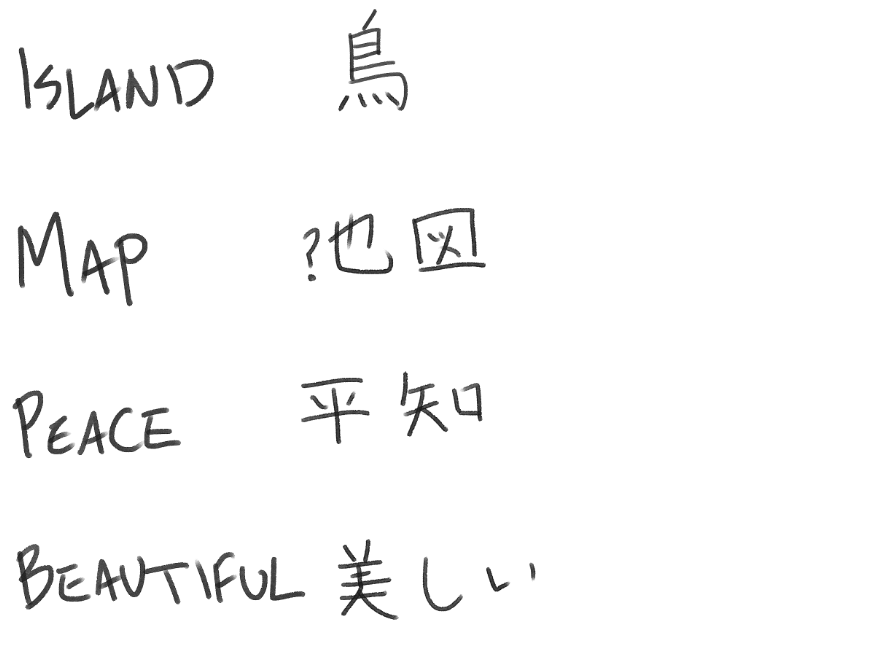
3. Check and correct your answers
Mark any corrections and fill in any blanks that you might have left when taking the quiz using a different color pen.
Try to keep your corrections in the same column of your answers, because they will serve as your next set of questions.
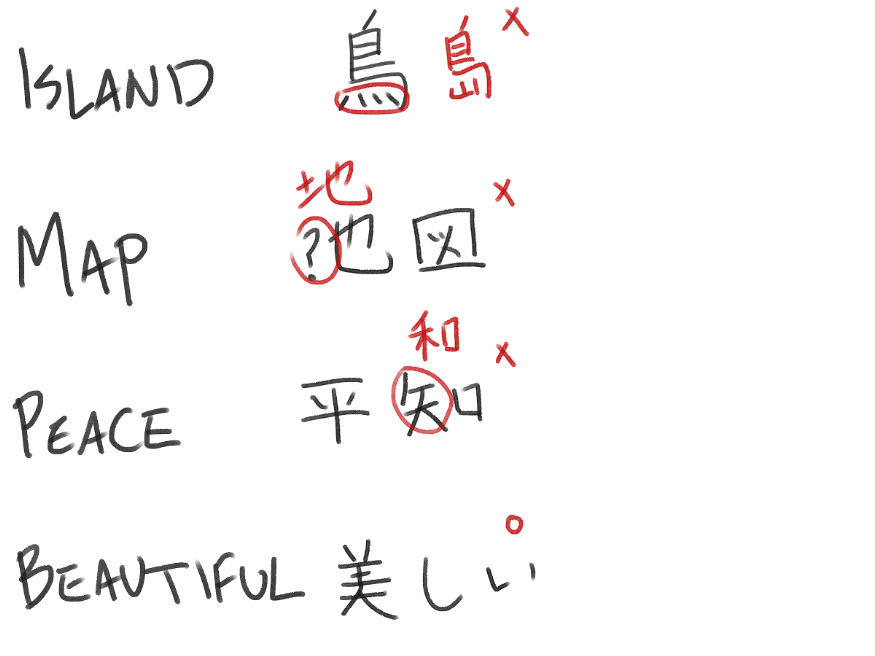
4. Cover the English word column
If you're quizzing yourself on paper, you can fold the paper back or use a separate sheet of paper.
If you're quizzing yourself digitally, you may be able to move the words off the screen or hide the text using layers.
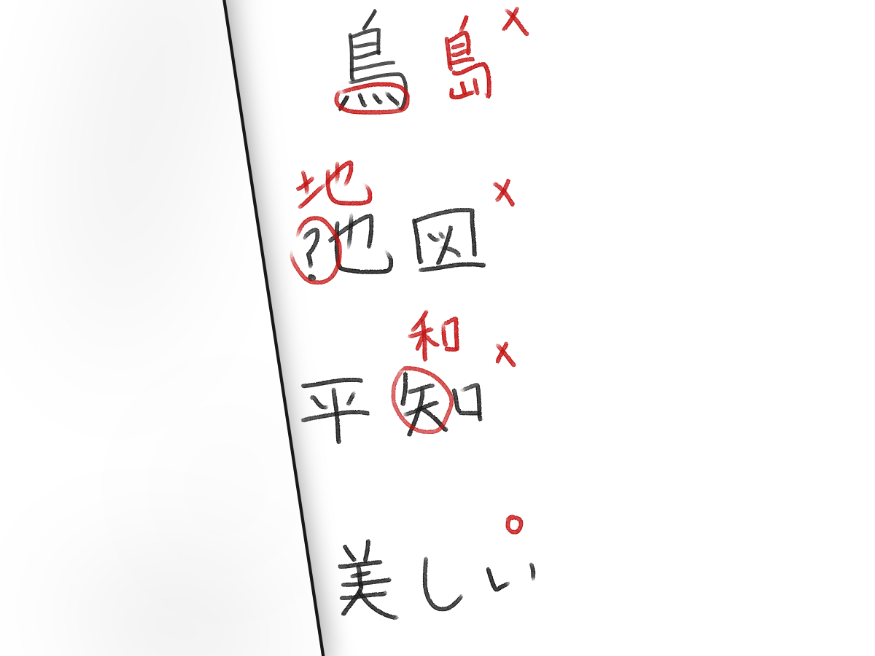
5. Quiz: Kanji to readings
Using your corrected column of kanji as your new set of quiz questions, write the readings of the Japanese words to the right of the kanji to form another column.
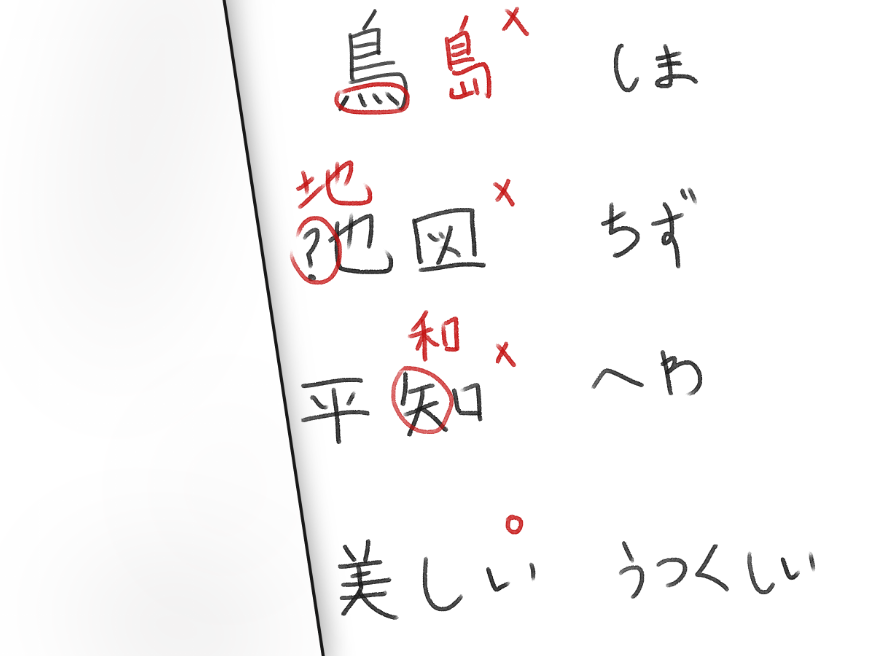
6. Check and correct your answers again
Repeating what you did for Step 3, check and correct your answers with a different color pen.
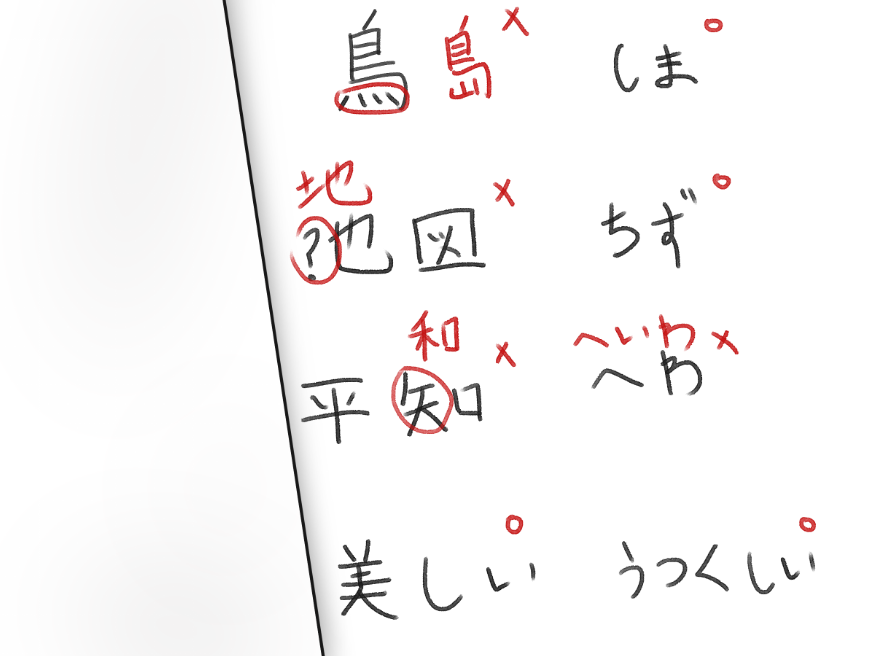
7. Cover the previous columns
Both the English and Japanese word columns should be covered for this step since the readings will become your new set of quiz questions.
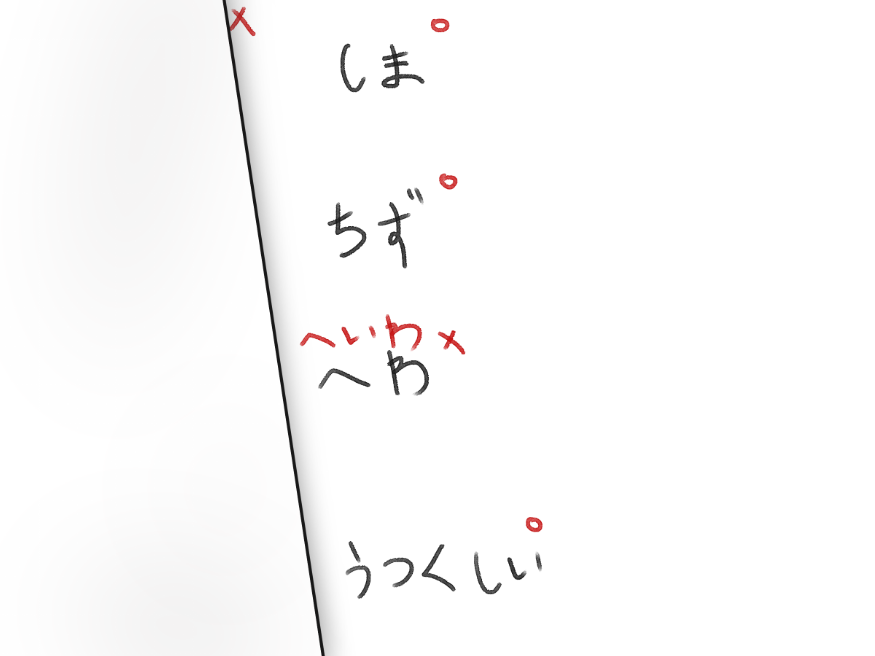
8. Quiz: Readings to kanji
Using the column of kana readings as quiz questions, write the corresponding word using kanji to the right of the readings.
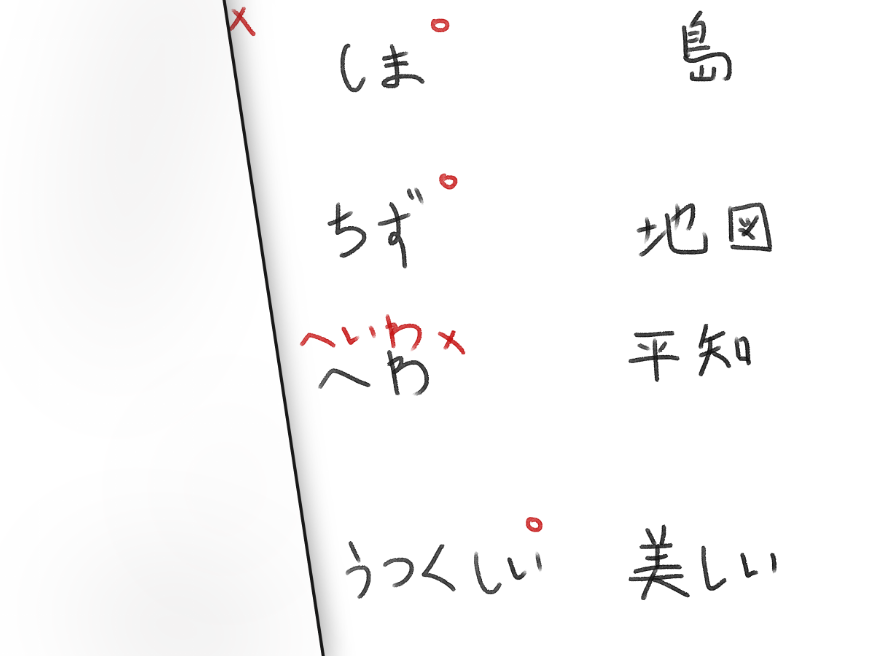
9. Repeat the self-quizzing and self-correcting rounds as many times as needed
You can repeat the rounds of self-quizzing and self-correcting as many or as few times as you'd like.
Mix and match your quizzes by going between the English words, readings, and kanji-using words to replicate the types of questions that appear on kanji assessments. While you do, pay attention to any repeated mistakes you may make—recognizing those mistakes will help you identify your weakpoints for further study.
If you find yourself habitually mixing up one kanji with another or forgetting the meaning of a word, use Strategy #1 to break down kanji characters into meaningful components and create mnemonics to better remember the kanji and its components.
If you're forgetting the readings of a word or kanji, use Strategy #2 to build a mental database of a kanji's relevant readings by grounding readings in a common words.
You might also find referring back to Sidenote: Kanji classes helpful. Identifying which kanji are keiseimoji, kanji with a component that hints at its onyomi reading, may help you better remember readings by just identifying a phonetic component.